In March 2017, Netflix’s official Twitter Inc. TWTR account tweeted "love is sharing a password."
Five years later, media reports created a furor, hinting that Netflix was considering ways to curtail password sharing with people beyond the main user’s household.
Password sharing on digital streaming platforms like Netflix Inc. NFLX and Amazon.com Inc.’s ((AMZN) Prime Video is common practice with multiple people sharing a single account with different user profiles.
But what Netflix has taken issue with now, and is trying to curtail, is the unauthorized and illegal sharing of passwords through password-sharing marketplaces run by bad actors, which it says costs the company more than $6 million in annual revenue loss.
The consequences of credential-related cyber crime could prove to be very expensive for organizations if the spate of reported incidents is anything to go by.
Some of the most significant password-related security breaches of the last year include those at Microsoft Corp. MSFT, SolarWinds Corp. SWI, and GoDaddy Inc. GDDY
Microsoft reported a cyberattack by Chinese hacking group Hafnium, which targeted thousands of its servers across the United States and affected government agencies and businesses, exposing the email communications of each affected organization.
In a separate incident, U.S. government agencies were compromised in a series of nationwide attacks involving software from the cyber security firm SolarWinds where hackers reportedly exploited a vulnerability in its network monitoring software, allowing them to infiltrate companies that were using that software and gain access to their email communications.
Cybercriminals apparently had access to GoDaddy’s systems for over two months before they were detected and their access blocked, by which time considerable damage had already been done.
Rising Cyber Crime Could Be Driving Companies’ Focus Toward Identity And Access Management
User credentials are the entry point to an organization’s data, and securing the network and access to data has become a top priority for businesses in the highly digital world.
Companies like BIO-key International Inc. BKYI, 3M Co. MMM, Fujitsu Ltd. 6702, and Safran SA (SAF.PA) provide secure access management solutions in different parts of the world could play an important role in addressing the challenges that are inherent with password-based security solutions and the risk and cost associated with traditional methods of access management.
More organizations are moving away from password-based solutions to biometric authentication.
Identity-Bound Biometrics (IBB) provides a type of authentication that verifies the actual identity of the individual behind the keyboard, and BIO-key says its world-class biometric platform integrates into its customers’ Identity and Access Management (IAM) strategy.
The company reports that it offers multiple Identity and Access Management system options when it comes to enforcing stronger security and multi-factor authentication. It is showcasing new innovations at the Gartner Identity and Access Management (IAM) Summit (Booth 232) at Caesars Palace in Las Vegas, Nevada, August 22-24th. At the Summit, BIO-key will highlight new authentication methods, as additions to its current PalmPositiveTM palm scanning method, for its BIO-key MobileAuth™ mobile app, including FacePositive™ for server-secured facial recognition, device-based biometrics for Android and iOS, and new push token support.
It boasts decades of expertise in the field and claims it has a proven track record of successful Identity & Access Management (IAM) project delivery and strong customer relationships in financial services, healthcare, education, manufacturing, communication, transportation, and government.
BIO-key says its signature product — PortalGuard® IDaaS (Identity-as-a-Service) — has flexible single sign-on and various authentication options to meet the security goals of most modern organizations to deliver an optimized user experience.
Features the company says make PortalGuard an attractive access management solution include:
- Accessibility to a suite of apps from multiple devices without requiring the user to manage numerous, difficult-to-remember passwords.
- Multi-factor Authentication (MFA), including biometric authentication options like Identity-Bound Biometrics, to prevent unauthorized access if an attempt to access an application is made from outside of the company’s usual geography.
- Reduced operational costs and a less heavy burden on tech support to enable password resets because users can quickly reset their own passwords using their fingerprint as their authentication method of choice.
To learn more about BIO-key’s biometric solutions visit the company webpage.
This post contains sponsored advertising content. This content is for informational purposes only and is not intended to be investing advice.
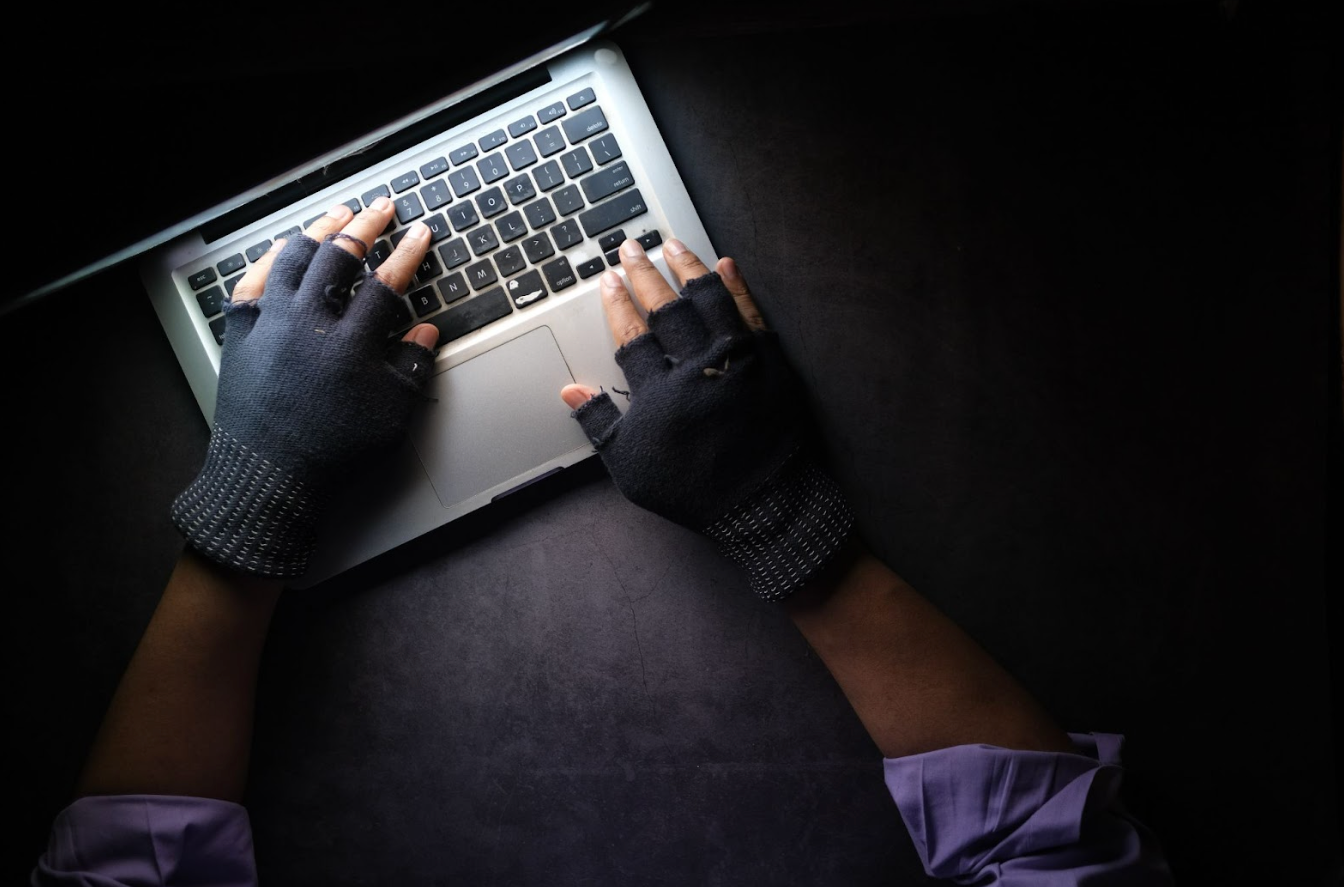
Featured photo by Towfiqu barbhuiya on Unsplash
© 2024 Benzinga.com. Benzinga does not provide investment advice. All rights reserved.
Comments
Trade confidently with insights and alerts from analyst ratings, free reports and breaking news that affects the stocks you care about.