


Rep. Dan Goldman (D-N.Y.) introduced legislation Thursday to close a prominent loophole in the tax code that allows ultra-wealthy Americans to build liquidity while paying minimal federal income taxes.
Musk And Bezos Borrow With The Loan Loophole
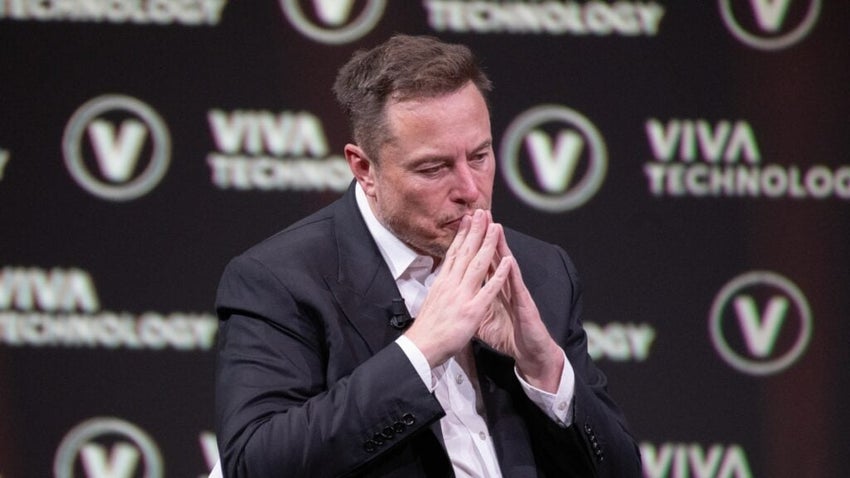
In announcing the bill on X, Goldman highlighted the low effective tax rates paid by tech moguls, noting that Tesla Inc. (NASDAQ:TSLA) CEO Elon Musk paid a rate of 3.3% and Amazon.com Inc. (NASDAQ:AMZN) founder Jeff Bezos paid just 1%.
Goldman explained they achieve this by taking out “tax-free loans against their stock,” a strategy often called “buy, borrow, die.”
The proposed legislation, dubbed the ROBINHOOD Act, seeks to generate “at least $276 billion” in new revenue to fund universal childcare and other social programs.
See Also: Mamdani Vs. Millionaires: A Tax Move That Could Reshape New York’s Elite
Targeting Asset-Backed Loans
The bill aims to curb the practice of wealthy individuals borrowing against appreciating assets—such as stocks—to fund their lifestyles without cashing out those assets and triggering capital gains taxes.
Under current law, borrowed funds generally are not subject to income taxes.
According to a Bloomberg Government report, Goldman's bill would impose a 20% excise tax on loans and lines of credit backed by capital assets.
This new tax would apply to individuals earning more than $400,000 annually or joint filers making more than $450,000. However, the legislation would exempt home mortgages and certain other loan types.
Levi's Heir Pushes Reform
Goldman, himself a Levi Strauss & Co. (NYSE:LEVI) heir and one of the wealthiest Democrats in the House, acknowledged the personal financial impact of his proposal.
"This bill would raise taxes on me personally," Goldman told Bloomberg Government. He argued that it is “exactly the type of policy that we need to be creatively thinking about how to make sure that we're tackling wealth inequality."
The legislation has been endorsed by progressive groups, including Americans for Tax Fairness and Social Security Works.
While Bloomberg Government reports the bill likely faces “long odds in the GOP-controlled House,” its introduction signals a continued Democratic focus on taxing billionaires ahead of the 2026 midterm elections.
Read Next
Disclaimer: This content was partially produced with the help of AI tools and was reviewed and published by Benzinga editors.
Photo courtesy: Shutterstock
© 2025 Benzinga.com. Benzinga does not provide investment advice. All rights reserved.


