Ethereum ETFs Bring Legitimacy and Momentum
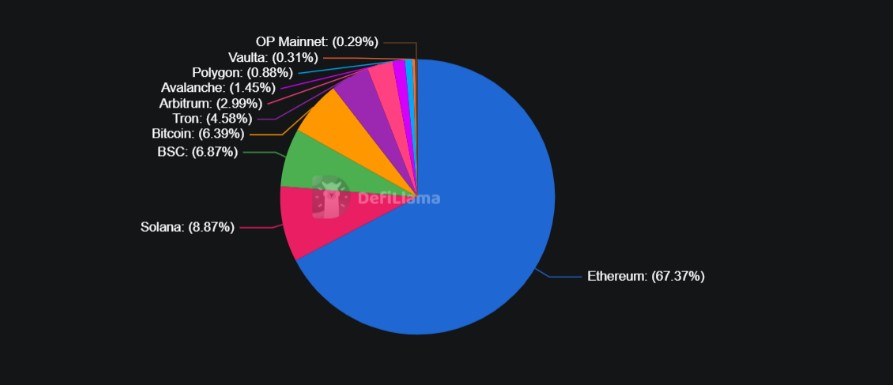
Much like Bitcoin's (CRYPTO: BTC) ETF launch earlier this year, the products attracted significant inflows and signalled a shift towards institutional acceptance. However, Ethereum is not just a store of value; it's a programmable network with an entire ecosystem of decentralised applications.
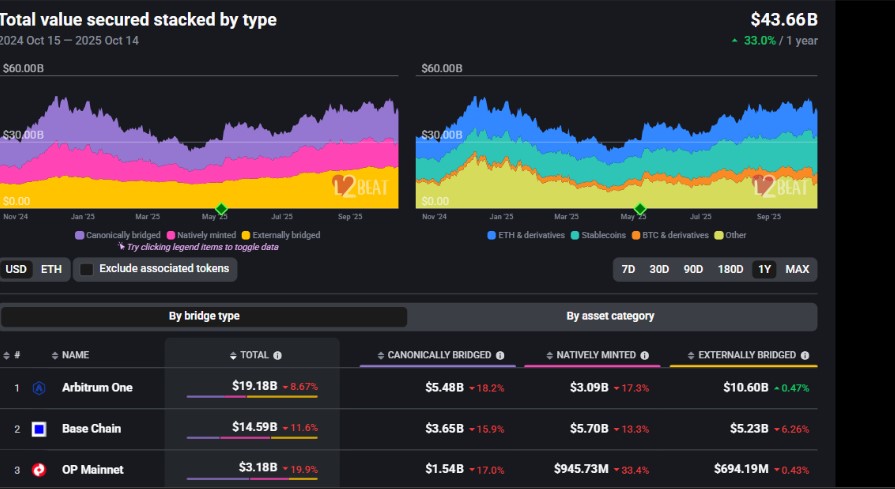
The distinction means that the effects of the ETF extend far beyond price. Institutional confidence in Ethereum as an asset may naturally spill over into confidence in its infrastructures especially the L2 networks that make the blockchain cheaper and faster to use.
Layer-2s: Scaling Ethereum for Big Money
According to VanEck's report "Ethereum Layer-2s Valuation Prediction by 2030", the firm posits a base-case scenario where Ethereum's Layer-2 networks could collectively reach a $1 trillion valuation by 2030
Why Institutions are Betting on Layer-2s Over Mainnet
Conclusion: From HODLing to Operating
The Ethereum ETF's success signals the institutional acceptance of ETH as an investment asset. However, the subsequent move toward Layer-2s is a greater inflection point: it marks a shift from passive holding to active operation within the decentralized ecosystem.
Institutions are not merely spectators; they are building financial rails where their activities are fastest and cheapest. With ongoing Ethereum protocol upgrades like the Dencun hardfork which lowered L2 settlement costs—continuing to make these scaling solutions even more effective, the Layer-2 playground is set to become the epicenter of institutional decentralized finance.
Benzinga Disclaimer: This article is from an unpaid external contributor. It does not represent Benzinga’s reporting and has not been edited for content or accuracy.
© 2026 Benzinga.com. Benzinga does not provide investment advice. All rights reserved.
To add Benzinga News as your preferred source on Google, click here.